 Sergey Stankevich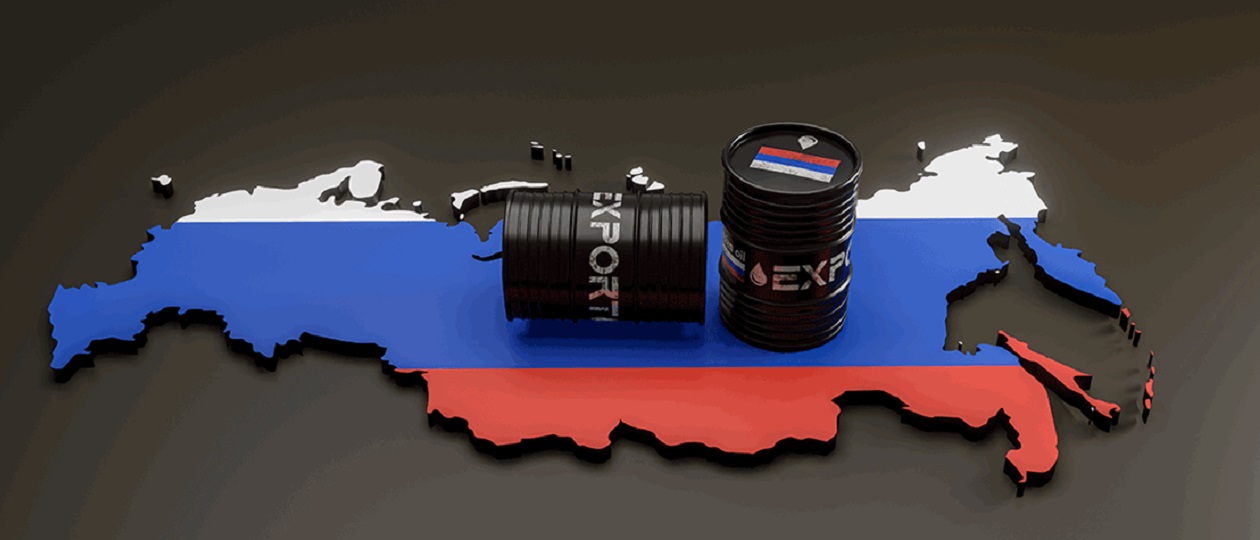
So, the EU has finally agreed (on the fifth attempt) on the 18th package of sanctions against Russia.
The most significant thing in the package is a new attempt to cut Russia’s income from oil exports.
The “price ceiling” for the sale of oil from Russia has been reduced from $60 to $47.6 per barrel (with an automatic adjustment of the ceiling every month — up to the “minus 15%” mark from market quotes).
If Russian oil is priced above the ceiling, it cannot be bought, insured, transported on ships or unloaded.
All this is addressed to who knows who. After all, Russian oil and oil products cannot be imported to the EU by sea anyway. This is a clear attempt to put pressure on the three countries that mainly buy Russian oil.
As of May 2025, China is the main importer of Russian oil. It accounts for about 38% of all oil exports from Russia.
Second place goes to India with a share of about 31%. Indian refineries buy Russian oil at reduced prices, refine it and sell the fuel everywhere, including to Europe. At the same time, Russian suppliers of raw materials can participate in the profits from the final sale of oil products.
Third place goes to Turkey, which receives about 7-9% of all Russian oil exports. The country does not buy much directly, but it plays an important logistical and refining role: Turkish refineries refine Russian oil and export oil products to other countries.
The position of Turkish refineries is more vulnerable: they are all in plain sight. If the government does not support them, they will have to reduce purchases from Russia, losing a profitable business.
 Robert Reich
 Vladimir Golstein
 Paul Sadchikov