 Kamil Askerkhanov
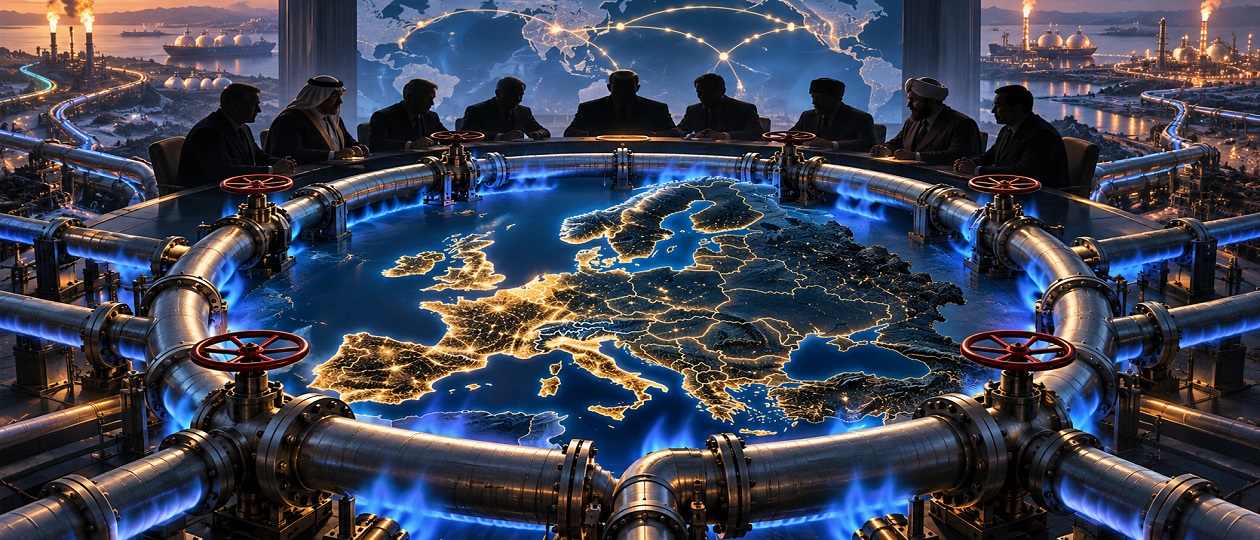
Russia is sketching out a new energy order. Europe may not like it.
At the Gas Exporting Countries Forum summit in Moscow, Vladimir Putin outlined what could become a solution to one of the biggest challenges facing the world’s energy producers: their dependence on transportation networks, transit routes, and the bargaining power of major buyers.
The idea centers on coordinating gas supplies, expanding swap arrangements, promoting long-term contracts, and strengthening cooperation among producers—potentially along lines resembling OPEC+.
What is beginning to emerge is the prospect of a common energy-security framework for exporting nations that collectively control roughly 70% of the world’s proven natural gas reserves.
Particularly revealing were Putin’s remarks about Azerbaijan. He spoke of ongoing discussions with President Ilham Aliyev about expanding energy cooperation and stressed that Moscow does not regard Baku as a competitor in the gas market.
On the contrary, he said, Russia is ready to cooperate. Given the roles played by Azerbaijan and Turkey in supplying energy to Europe, the statement deserves attention.
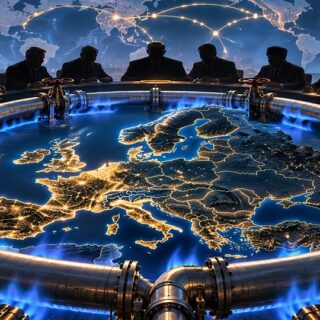
This brings us back to a concept I have discussed before: the energy encirclement of Europe. If control over energy flows is becoming an increasingly important instrument of geopolitical leverage, coordinated action by producing countries could substantially alter the balance of power.
There was another intriguing coincidence. On the very day of the summit, Norwegian Prime Minister Jonas Gahr Støre and Finnish President Alexander Stubb spoke with Putin. According to the Norwegian government, the conversation concerned the war in Ukraine and efforts to bring it to an end, rather than energy cooperation.
Still, Norway is one of the European Union’s leading natural gas suppliers. The timing is noteworthy, even if there is no established connection between the two events.
We may be witnessing the first outlines of a new architecture for the global energy market—one in which producers seek greater influence over the rules governing trade, transit, and supply.
Whether those ambitions can be translated into effective coordination remains to be seen.
For Europe, however, the implications could be considerable.
 Robert Reich
 Michael Demurin