 Yuri Chekalin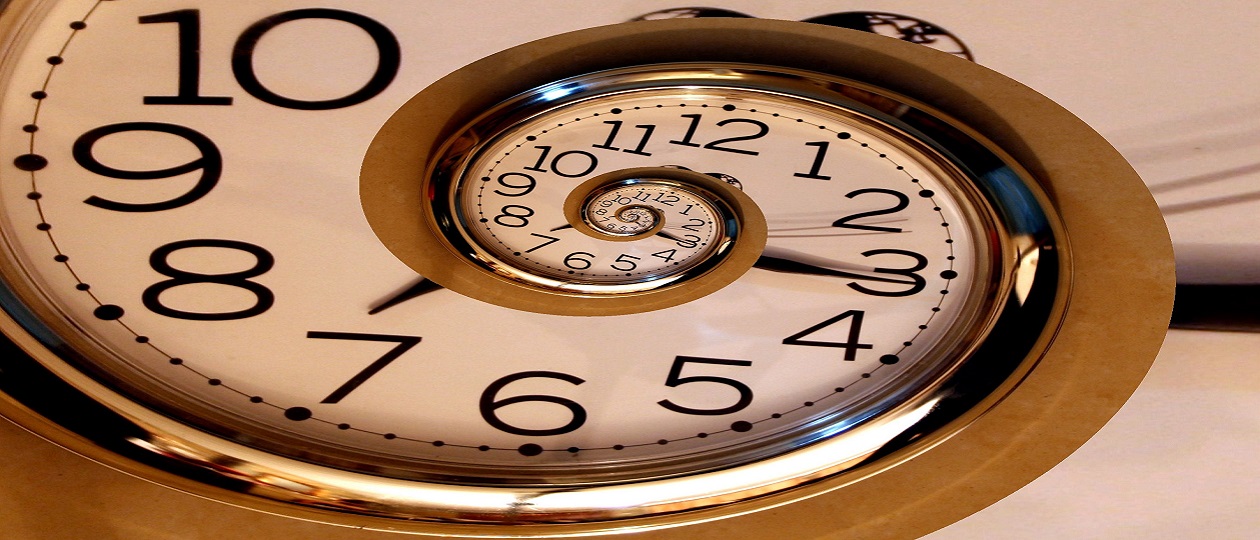
The first thing I did in Tokyo was get lost.
The labyrinth of Shinjuku Station swallowed me whole, the moment the train doors slid open with a soft, quiet sigh of sympathy.
A massive river of people lifts you up and carries you through subterranean passageways, illuminated by endless billboards. You dissolve into this current where everyone moves with sharp, unmistakable purpose. Except you.
I stepped outside around midnight, into a fine, almost weightless drizzle.
Have you ever noticed how rain smells different in different countries? In Japan, it carries the scent of earth, wet asphalt, and bamboo.
Somewhere deep down a narrow alleyway, the neon sign of a tiny jazz bar flickered, casting the curved silhouette of a cat holding a saxophone. From behind the half-open door came the soft, muted chords of an old Thelonious Monk record.
I walked down the steep, narrow staircase.
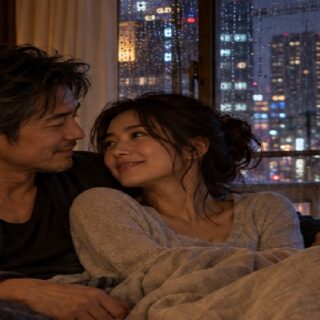
Inside, the air was thick with the scent of ground coffee, aged vinyl sleeves, and dry gin. At the counter sat the sole customer—a girl in an oversized, dark-green sweater, slowly swirling an ice cube in her glass while reading a dog-eared paperback.
“How’s it going?” she asked, without looking up from the page. Her voice sounded strangely familiar, as if I had heard it in a dream a decade ago.
“Well, I’m lost,” I replied, taking a seat two stools away from her. “Though I think that’s exactly what I needed.”
The bartender—an elderly man in a crisp shirt and bow tie—silently set down a glass of aged whiskey before me, rich with a complex, woody aroma.
The music shifted to a smooth, walking bass line.
“It’s impossible to get permanently lost in Tokyo,” the girl said softly, closing her book. “The city just rearranges its streets whenever it wants you to meet someone. Or when it wants you to finally be alone with yourself.”
I took a sip of the whiskey. The ice in the glass gave a quiet crack, and for a second, reality felt as if it had shifted, making way for a completely different story that was just beginning.
She finished her gin and turned toward me. Her eyes were strikingly clear, a deep hazel, but behind them lay an indefinable tiredness—the kind you see in people who spend too long staring at the night ocean or re-reading the exact same letters.
“My name is Liz,” she said, her accent impeccably polished Queen’s English. “Not that it matters. Names in this city are like locker numbers at the station. They’re only there so you can pick up your things and move on.”
“I’ve been here two years now,” she added abruptly.
“I was looking for my hotel,” I admitted, tracing a wet ring on the polished wooden counter with my finger. “But my phone died somewhere back near Kawasaki.”
“A map is an illusion,” the bartender remarked. He was polishing a delicate glass with a snow-white towel, looking as though he were performing a sacred ritual. “You think the city lies in the palm of your hand, but in truth, it’s you who are lying in the palm of the city’s.”
With a fluid motion, Liz pulled a Seven Stars cigarette from her purse, though she didn’t light it. She simply spun it between her fingers, watching the smoke from a stick of senko—Japanese incense—slowly coil toward the ceiling, forming miniature galaxies.
“If you want, I’ll show you a place,” she said after a long pause. “They don’t ask questions there. No past mistakes, no future obligations. Just clocks that run backward.”
I looked down at my glass, where the ice had completely melted, diluting the amber whiskey to the color of autumn leaves. Outside, the invisible rain kept falling, and the bass on the record played its final, lowest note—the one followed by an absolute, almost tangible silence.
“I guess the hotel can wait,” I replied.
Liz smiled—faintly, just at the corners of her lips. We stood up, paid, and stepped out into the Tokyo night.
By now, the damp air carried that distinct, barely perceptible scent of solitude that you can only find in Tokyo.
A black cat with a white ear was sitting on the top step.
We walked through a maze of backstreets in Kabukicho, where the neon reflected off the wet pavement in long streaks of red and blue. The city around us felt like a giant acoustic machine: deep underground, subway trains hummed; on rooftops, ventilation systems whirred; and between the buildings, a raw August wind whistled softly. The black cat with the white ear trotted ahead of us, occasionally stopping to glance back, as if checking to make sure we were still following.
“Do you ever wonder where the things we lose actually go?” Liz asked. Her footsteps on the wet pavement were almost soundless.
“Like glasses, keys, umbrellas?”
“Not just those.” She tilted her head back slightly, looking up at the web of power lines stretched between the streetlights. “Unsent letters. Unspoken words. Years that didn’t turn out the way you planned. Don’t you ever feel like Tokyo has a special district—a constellation of narrow alleys—where everything people carelessly drop comes together?”
We turned a corner, and the roar of the metropolis died instantly, as if someone had turned down the volume knob on an old radio receiver.
Before us stood an unmarked iron door set right into a blank concrete wall. The cat with the white ear sat on the threshold, patiently waiting.
Liz pushed the door open, and we stepped into a dry, cool room. It was a 24-hour laundromat.
There wasn’t a soul inside. Along the walls stood two dozen vintage washing machines in neat rows. Their drums turned in complete silence.
In the center of the room stood an old vending machine.
“Is this the place?” I asked.
“One of them,” Liz said, walking over to the machine. She dropped in a five-hundred-yen coin and pulled out two cold bottles of Calpis. “Time stops here. Look.”
She pointed to a round clock above the entrance. Its second hand was taking steady, rhythmic steps backward.
I sat down on a seafoam-blue plastic chair and took a sip of the drink. It was sweet, with a gentle tang.
Inside the drum of the washing machine opposite us, something dark blue spun slowly—looking remarkably like a sweater I had accidentally left on a train three years ago.
“Tomorrow morning, you’ll find your hotel,” Liz said softly, sitting on the adjacent chair and resting the back of her head against the cool wall. “There’s a charger here. You’ll go back to the world where everything has a name and a price. But right now, we’re in a pause between the past and the future. And in this pause, there’s nothing worth regretting.”
I closed my eyes. In the rhythmic tumbling of the drums and the backward tick of the clock, this vast, foreign city suddenly became the safest place in the world. I was no longer looking for a way back. I was simply here.
Morning arrived without warning. In Tokyo, dawn doesn’t rise from the east—it bleeds through the gray fog, washing the streets in a flat, soulless light, like the glow of a fluorescent lamp in a hospital hallway.
I opened my eyes. My back was stiff.
The washing machines along the walls stood motionless and empty. The second hand on the old clock above the door was frozen at twelve, twitching slightly, as if trying to decide which way to move next.
Liz was gone. On the seat next to mine lay an empty bottle of Calpis and a neatly placed, unlit Seven Stars cigarette. On the floor by my feet was my phone. The screen lit up: 100% charged. A map notification flashed: “Your hotel is 400 meters away. Straight ahead, then turn left.”
I stepped outside. The rain had stopped. The damp pavement was already beginning to steam under the first rays of the sun.
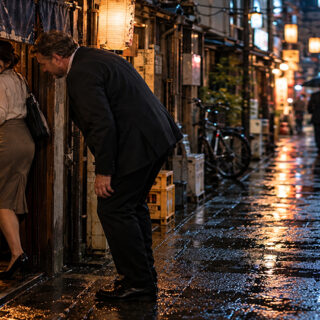
A salaryman in an impeccably pressed black suit marched down the morning alley with his briefcase in hand. Behind him, a garbage truck glided by, softly chiming a children’s lullaby through its loudspeaker.
The city was awake, its internal clockwork grinding back into motion.
I walked four hundred meters, turned left, and there were the glass doors of my hotel.
The girl at the reception desk bowed politely, took my passport, and handed over a plastic keycard for a room on the fourteenth floor. Everything was simple, clear, and perfectly logical.
Up in the room, I walked over to the window. Below lay Tokyo—endless, breathing concrete and steel. Somewhere out there, tucked beneath millions of rooftops and tangled overpasses, was a 24-hour laundromat with silent machines and a clock that ran backward.
I reached into my jacket pocket and pulled out what my fingers had brushed against back at the hotel entrance.
It was a small, rectangular matchbox made of thin veneer.
On its faded blue label was a picture of a chrome steam engine puffing perfect rings of smoke, alongside the name of the bar: The Backwards Clock. Inside lay a single match with a dark green head.
I placed the matchbox on the nightstand next to my plastic keycard.
It still carried the faint, unmistakable scent of dry gin, fresh coffee, and wet cat fur.
 Sergey Stankevich