 Sergey Stankevich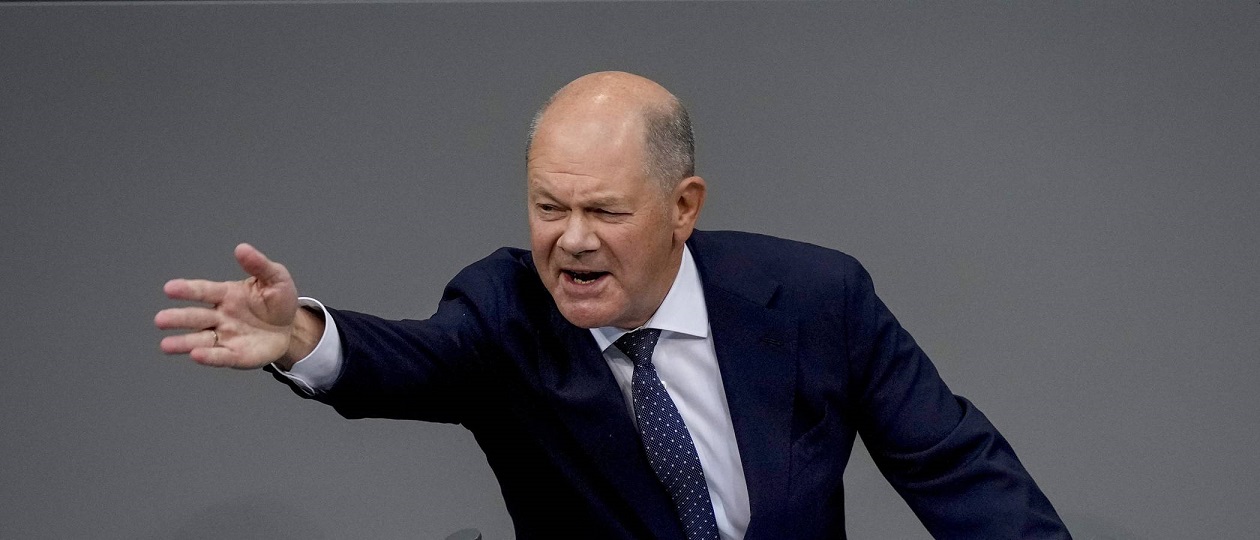
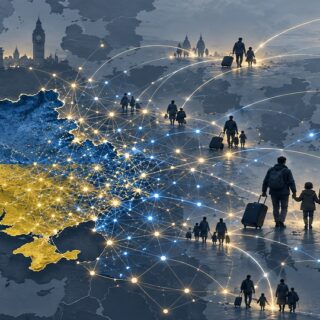
While Germans have been preoccupied with migration and the war in Ukraine in recent years, their economy has been slowly deteriorating.
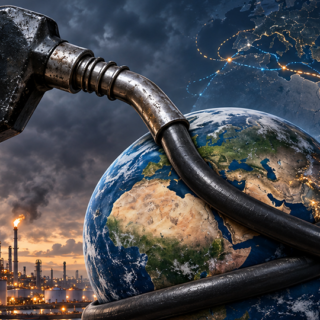
After years of ignoring what was plainly visible to the rest of the world, Germans are slowly waking up to the reality that they are in deep trouble as the four horsemen of the economic apocalypse emerge:
- a massive exodus of large-scale industry;
- a rapidly deteriorating demographic situation; crumbling infrastructure;
- and a lack of innovation.
The economic downturn has raised fears that the country could slide further into political extremes. Chancellor Olaf Scholz’s coalition, hampered by constitutional spending limits that make it virtually impossible for the government to undertake large-scale stimulus measures, is beset by infighting and appears unsure of what to do next.
While economic woes have been in the back of German mind for some time, they have suddenly come to the forefront following a spate of grim economic news stories about the German-based factories of major companies like Volkswagen and Intel. In a recent public television poll of Germans asked to name the country’s “most important problems,” the economy came in second place behind migration.
That’s bad news for Scholz and his three-party coalition. Even before the recent economic woes, he had already earned the lowest approval rating ever for a German leader. Only 18 percent of Germans are satisfied with Scholz’s performance. By comparison, Angela Merkel’s lowest score in her 16 years in power was 40 percent. Gerhard Schröder, her predecessor, hit a low of 24 percent.
This Sunday, Scholz faces another humiliation in the form of a possible far-right victory in an eastern regional election, this time in his home state of Brandenburg. Scholz’s center-left Social Democratic Party (SPD) has governed Brandenburg since German reunification. But polls show the far-right Alternative for Germany (AfD) party is now in the lead there.
If the far-right wins again in the east, as it did in Thuringia earlier this month, it would amount to another abdication of Scholz’s leadership, fueling speculation that his weakened coalition will not last until the next federal election in a year.
 Dmitri Drobnitsky
 Kamil Askerkhanov