 Sergey Stankevich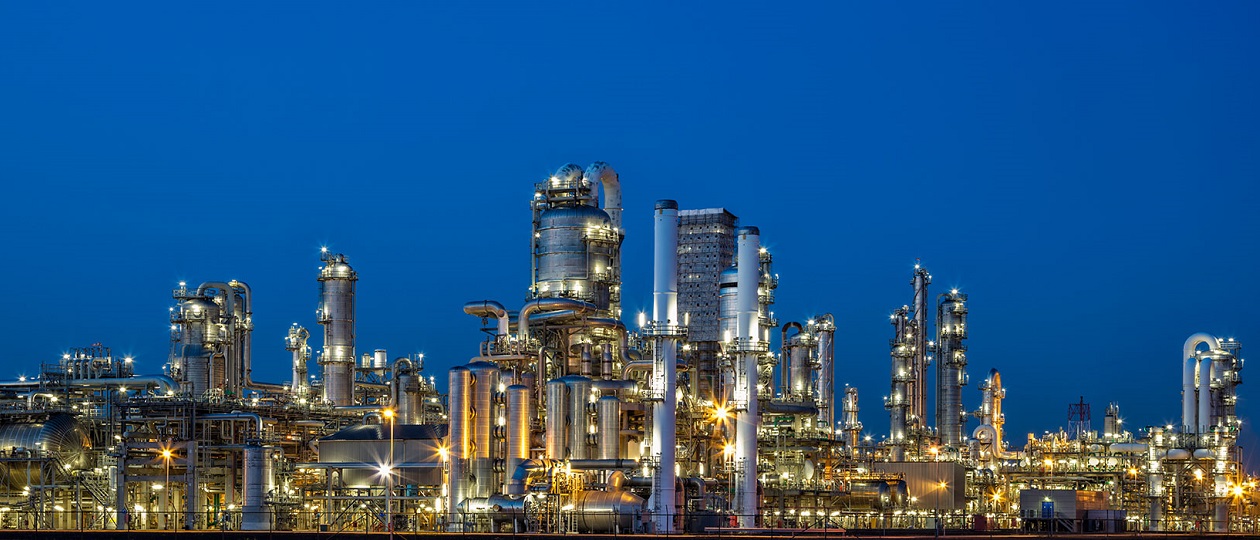
Central Europe is trying to resolve the situation with the oil crisis.
In June, Kyiv, citing EU sanctions, banned the transit of oil from LUKOIL to Europe via the Druzhba pipeline This ban dealt a blow to the interests of Hungary, Slovakia and the Czech Republic. These countries receive oil via the southern branch of the Druzhba pipeline, which passes through Ukraine.
None of the three European countries has access to the sea, and local refineries are set up to work with Russian Urals oil, which has no analogues in terms of chemical properties.
In order to start working with other grades of oil, a serious restructuring of the infrastructure is necessary. Hungary buys about 70 thousand barrels per day from Russia, Slovakia — 105 thousand bpd, the Czech Republic — 68 thousand bpd. The share of Russian supplies in consumption is 58% for Hungary, 96% for Slovakia, and 40% for the Czech Republic.
The Hungarians are tired of being held hostage by Kiev in the purchase of critically needed energy resources. The Hungarian oil and gas company MOL wants to get rid of the unnecessary Ukrainian risk.
MOL is ready to buy oil from Russia on the border between Russia and Ukraine. And then Hungarian oil will go in transit through Ukraine. The head of the administration of the Prime Minister of Hungary Viktor Orban announced this plan. Who will be the seller of oil from Russia remains behind the scenes.
Hungary expects that Ukraine will accept a scheme in which all delivery risks will be transferred to MOL. The volume of supplies will remain unchanged, they expect in Budapest.
 Robert Reich
 Vladimir Golstein