 Yuri Chekalin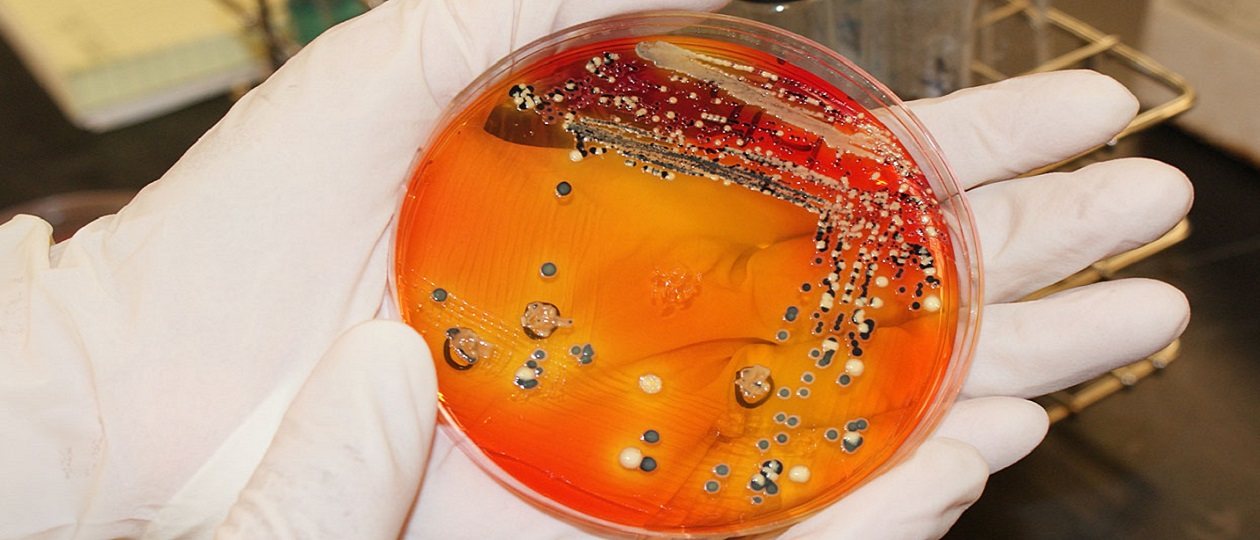
U.S. public health authorities are facing a growing series of food-safety challenges, as concerns over a cyclosporiasis outbreak have been compounded by salmonella cases and the unexpected reappearance of flesh fly larvae.
The cyclosporiasis outbreak initially appeared to have been traced to a contaminated shipment of iceberg lettuce imported from Mexico. Within weeks, however, investigators identified additional cases with no apparent connection to the suspected source, suggesting that the outbreak may be more complex than first believed.
Although the U.S. Food and Drug Administration (FDA) has said that “the situation is under control” and maintains that the U.S. food supply remains “the safest and most closely monitored in the world,” the number of infections has continued to grow.
Nearly 2,000 confirmed cases have now been reported across nine states—Illinois, Indiana, Kansas, Kentucky, Michigan, Ohio, Oklahoma, Pennsylvania and West Virginia. No deaths have been reported, but roughly 100 patients have required hospitalization because of serious complications.
A separate concern has emerged with the detection of flesh fly larvae, decades after the parasite was believed to have been eradicated from the United States. Cases have been reported in Texas and New Mexico, prompting concerns that a wider spread could pose a significant threat to the nation’s livestock industry.
While the parasite primarily affects cattle and other farm animals, it is not limited to livestock. The flies are capable of laying eggs on virtually any warm-blooded host, including humans and household pets. Only one confirmed infection involving a domestic dog has been reported so far, though officials caution that the true extent of the problem may not yet be fully understood.
Meanwhile, federal authorities are also responding to concerns over salmonella contamination. According to an FDA recall notice, nearly 1.6 million white and brown eggs have been pulled from the market because of potential contamination. The recall, issued by Midwest Poultry Services, states that the products may contain Salmonella enteritidis.
Update: The concerns have since been borne out. Health officials have confirmed 98 cases of salmonella infection, including 26 hospitalizations. Most cases have been reported in Texas, with additional infections identified in Michigan and New York.
The outbreaks have also become a political issue.
Democrats have criticized the Trump administration’s public-health policies, arguing that cuts to disease surveillance weakened the government’s ability to detect and respond to emerging threats.
Senator Jon Ossoff, who is widely viewed as a potential Democratic presidential candidate in 2028, has criticized Health and Human Services Secretary Robert F. Kennedy Jr. for ending the Centers for Disease Control and Prevention’s (CDC) surveillance of parasitic diseases, including cyclosporiasis.
The policy change, implemented in 2025, suspended a surveillance program jointly operated by the CDC, the U.S. Department of Agriculture, the FDA and health departments in ten states.
Continuous national monitoring of Cyclospora infections had been in place since 1997. At the time, Mr. Kennedy and President Trump argued that the surveillance system had become inefficient and excessively bureaucratic.
Whether the policy change had any measurable effect on the current outbreaks remains a matter for epidemiological analysis rather than political debate. That distinction, however, has done little to slow the political response.
With the election campaign gathering momentum, Democrats have presented the outbreaks as evidence that the administration’s priorities favored tax cuts and deregulation while allowing once-controlled public-health threats to re-emerge.
 Kirill Benediktov
 Dmitri Drobnitsky