 Dmitri Drobnitsky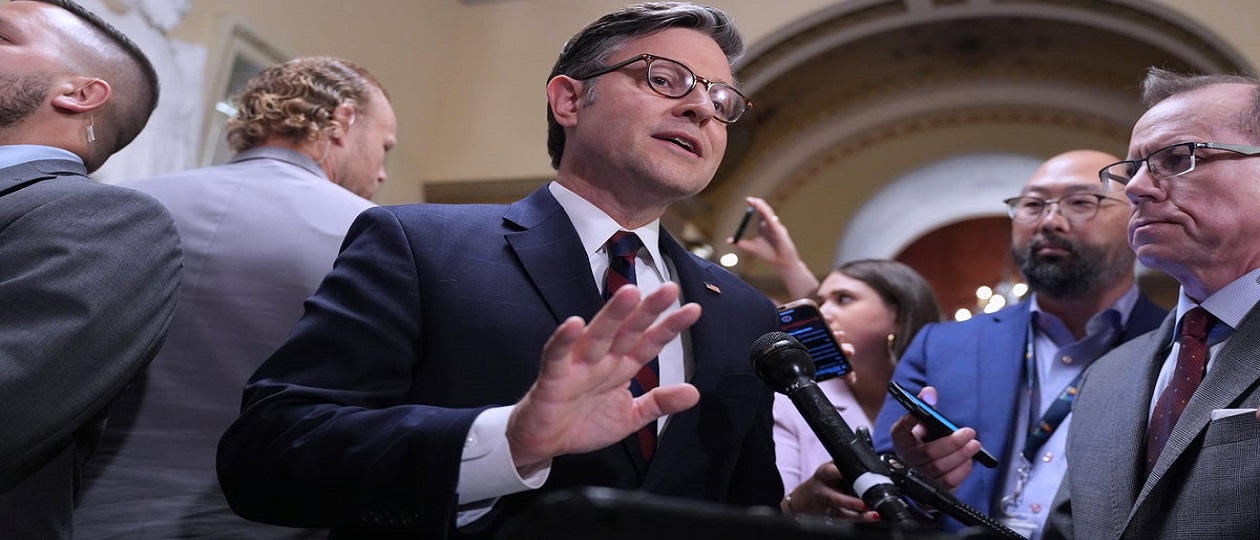
A bipartisan group in the upper chamber may block military action against Venezuela.
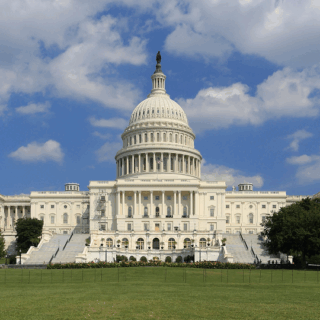
Next week, the Senate will vote on a bipartisan war powers resolution aimed at preventing President Trump from continuing military action against Venezuela. The resolution, which would prohibit the administration from engaging in further military action against Venezuela, is a privileged resolution (i.e., it falls under the privileges of US senators), meaning Senate Majority Leader John Thune will not be able to block it from coming to a vote.
The resolution is sponsored by Democrats: Senate Minority Leader Chuck Schumer, Senator Tim Kaine, Senator Adam Schiff, and Republican Rand Paul.
The resolution requires a simple majority vote to pass in the Senate. Republicans have 53 seats in the Senate, Democrats 47. Minus Rand Paul and Lisa Murkowski, who votes with the Democrats. The final tally is 51-49. Two more votes, and the resolution will pass. And there are some apostate candidates: Republican Senators Susan Collins (Maine) and Josh Hawley (Missouri), who have long expressed concerns about US foreign military operations.
The Senate resolution, if passed, will require House approval. And there, judging by the latest votes, the balance of power is 213-211 in favor of operations against Venezuela. So, even here, the situation is precarious.
It’s important to understand the following. Those voting for the resolution are not exactly doves of peace. Well, maybe with the exception of three or four legislators like Rand Paul. The Democrats initiated the resolution not only to spite Trump but also to prevent the redistribution of resources in favor of the Western Hemisphere.
Anything not used against Venezuela (Panama, Greenland, and so on) will be used to support NATO and Ukraine. At least, that’s the plan, as the US regular budget proposal for fiscal year 2026 already includes a plan to allocate $55 billion in military aid to Kyiv, as well as numerous proposed sanctions against Russia and its trading partners.
 Sergey Stankevich
 Tatiana Kasatkina
 Alexander Burenkov