 Yuri Chekalin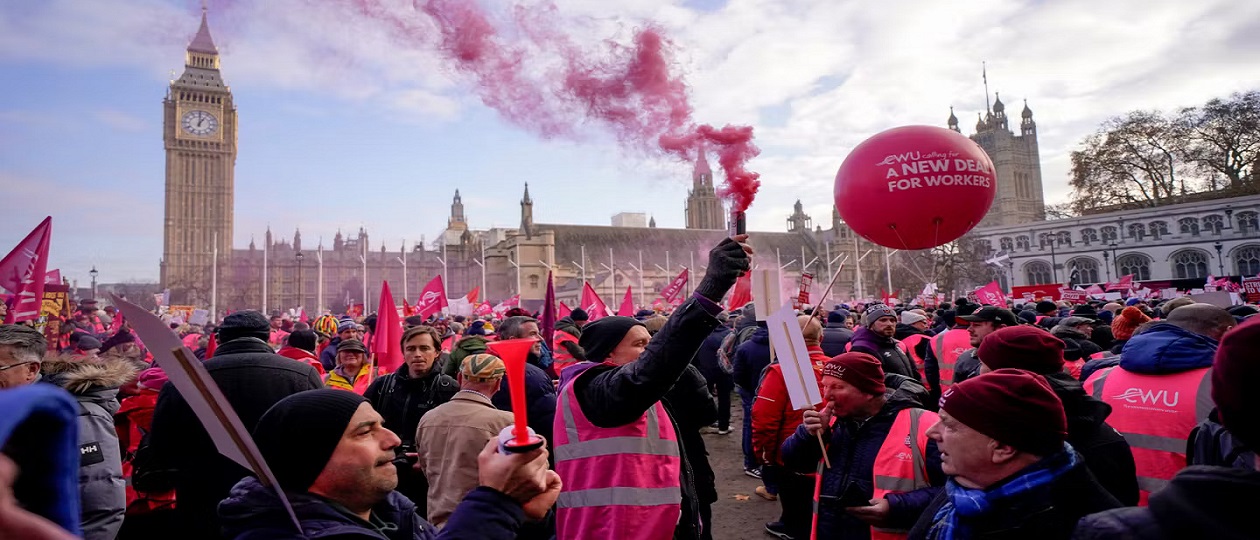
Trade unions and strikes have played a significant role in improving the lives and working conditions of employees throughout history.
They serve as important tools that help workers protect their rights, negotiate fair treatment, and influence workplace policies. In many countries, trade unions have contributed to social and economic progress by ensuring that workers have a collective voice.
A trade union is an organization formed by workers to represent their interests. Through collective bargaining, unions negotiate with employers on issues such as wages, working hours, workplace safety, benefits, and job security. Individual workers often have limited power when dealing with large organizations, but by acting together through a union, they can negotiate more effectively and achieve better outcomes.
One of the most important contributions of trade unions is the improvement of working conditions. Many rights that are considered standard today, such as the eight-hour workday, paid leave, workplace safety regulations, and protection against unfair dismissal, were achieved with the support of trade unions. These organizations continue to advocate for fair treatment and equal opportunities in the workplace.
Strikes are another important mechanism used by workers when negotiations with employers fail. A strike involves employees temporarily stopping work to draw attention to their concerns and encourage employers to address them. Although strikes may cause disruptions, they are often a peaceful and lawful way for workers to express dissatisfaction and seek change. Historically, strikes have been instrumental in securing higher wages, safer workplaces, and stronger labor protections.
Trade unions and strikes also contribute to a more balanced relationship between employers and employees. They encourage dialogue and negotiation, helping to resolve conflicts through collective action rather than individual disputes. In many cases, the possibility of a strike motivates both sides to reach agreements through compromise and discussion.
However, trade unions and strikes must be used responsibly. Unions should represent workers fairly and pursue realistic goals, while strikes should be conducted legally and peacefully. Employers, in turn, should be willing to engage in constructive negotiations and respect workers’ rights.
In conclusion, trade unions and strikes are essential components of modern labor relations. They help protect workers, improve working conditions, and promote fairness in the workplace. By providing employees with a collective voice and a means of advocating for their interests, trade unions and strikes continue to play an important role in building more equitable and productive societies.
 Robert Reich
 Vladimir Golstein