 Vitaly Golovkov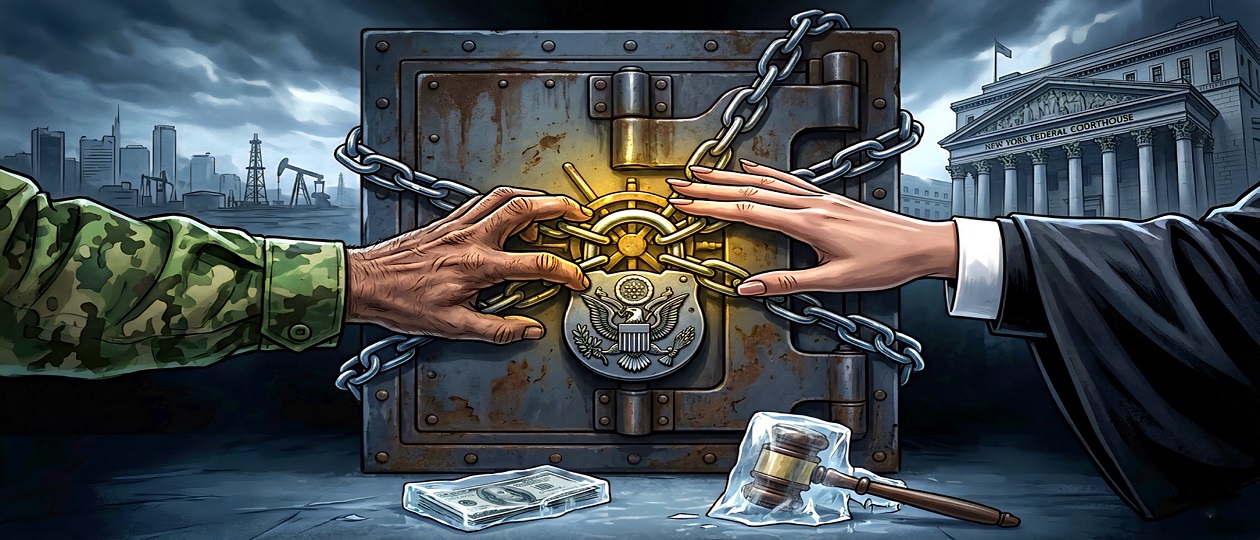
Maduro demands defense fees in New York from Venezuela’s frozen budget.
While global media discusses oil prices, a legal thriller worthy of Netflix is unfolding in Manhattan federal court. Today’s hearing in the case of Nicolás Maduro is more than just a “hostage trial of the Venezuelan president“; it’s a legal battle that is turning international law upside down.
The biggest surprise of today (March 28, 2026): who’s paying for the “banquet?”
The central dispute today revolves around… lawyer fees. Maduro wants his defense to be paid for by Venezuela from public funds.
Maduro has officially filed a declaration in which he claims he has no personal millions. According to Venezuelan law, the state is obligated to pay for the defense of its leader.
The prosecutors’ response: “You are a private citizen under sanctions. Venezuela’s budget belongs to the people, not you. Paying for you with this money is funding crime at the expense of its victims.”
Judge Alvin Hellerstein (who, mind you, is 92 years old) literally grilled the prosecutors today: “If you prohibit him from spending Venezuelan money on a lawyer, you are violating his constitutional right to a defense.”
Maduro is sitting in a Brooklyn prison, he has the best lawyers (the same ones who got Assange out), but are they prohibited from taking his money? Conflict of the year!
The charges are based on the narco-terrorism law, which is rarely used in the US and even more rarely results in convictions for heads of state. Prosecutors need to prove that Maduro wasn’t just “passing by,” but personally oversaw the Los Soles cartel and helped the FARC flood America with cocaine to undermine its foundations.
While Maduro scribbles notes in a notepad, guarded by a dozen marshals in the courtroom, in Caracas his former associates are already squabbling over his seat, calling it a “transitional period.”
Why are they keeping quiet about this?
Because the trial is slow and tedious. This is the “Discovery Phase”—the exchange of evidence. But right now, the question is being decided: will this trial set a precedent whereby any country’s leader can be spirited away to New York by special forces and tried as a common gangster?
His lawyer, Barry Pollack (the same one who got Julian Assange out), is currently furious.
On January 9, OFAC (the US financial watchdog) issued a license to pay his services from the Venezuelan budget, but revoked it three hours later, calling it an “administrative error.”
Pollack bluntly stated in court: either the US unfreezes Venezuela’s funds to pay the bills, or he withdraws from the case, since Maduro officially “cannot afford this level of protection.“
Results of the day: Maduro remains in a Brooklyn jail, his accounts are frozen, and his lawyers are threatening to withdraw from the case unless they are guaranteed payment. The battle over “whose paycheck it is” continues, and in this case, the money has proven more important than the drug trafficking charges themselves.
 Kirill Benediktov
 Robert Reich
 Natalia Tanshina