 Yuri Chekalin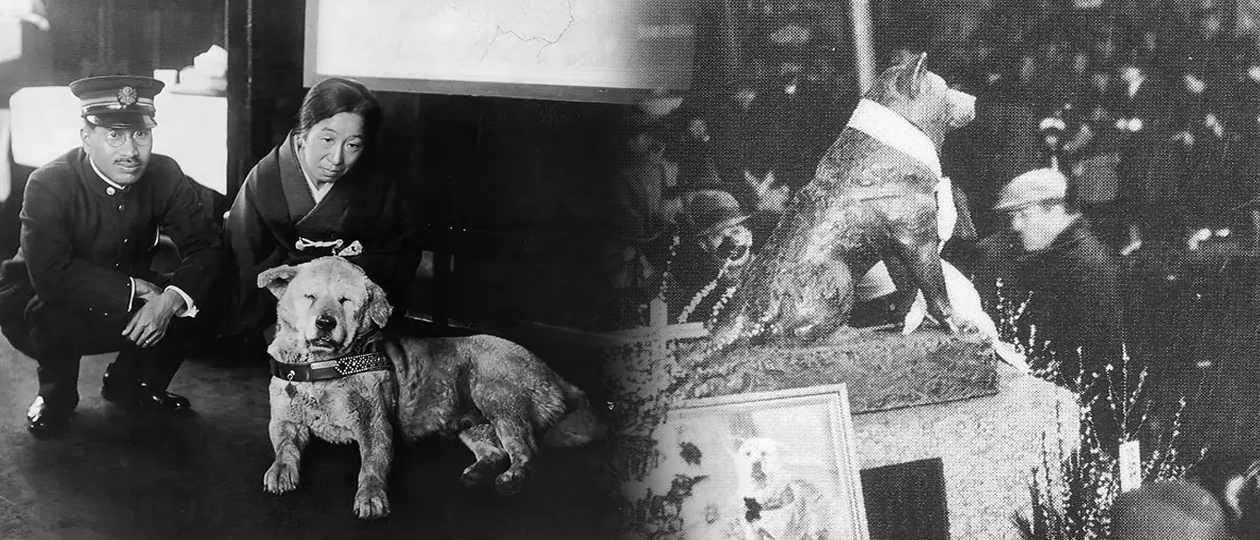
Today we’re heading to the very heart of Tokyo — Shibuya.
As you’ll see, it’s like Times Square multiplied by a hundred. There are endless crowds, entertainment venues, restaurants, izakayas, and countless little eateries.
Tokyo truly never sleeps.
You can pass the time until dawn by drinking, playing billiards, reading manga in cafés, or even indulging in romance at one of the city’s special love hotels. It’s actually quite an interesting concept: because of overcrowding and the high cost of apartments, couples can spend time together in these clean, compact hotels, each offering rooms to suit every taste.
You can find rooms designed like the back seat of a car, with swimming pools, transparent walls, Disneyland-themed interiors, rooms for fans of sadomasochism, and much more. Take your pick. About ¥4,500 for three hours or ¥9,000 for an overnight stay.
This reminds me of something—not entirely related, but interesting nonetheless. It says a lot about the Japanese character. Back in 1993, before mobile phones became a necessity, I visited Japan. One thing that struck me was the ordinary message boards displayed in subway stations so people could leave notes for friends who were running late.
No one, do you understand, scribbled obscenities on them. No insults. The messages were practical, usually giving an address where latecomers could find their friends. That’s just the way people were. So, on to Shibuya.
The most famous meeting spot is the statue of Hachikō.
Hachikō was born on November 10, 1923. His original owner decided to give the puppy to Hidesaburō Ueno, a professor at University of Tokyo. The professor named him Hachikō.
As Hachikō grew up, he accompanied his owner everywhere. The professor traveled to Tokyo for work every day, and the dog would walk him to the entrance of Shibuya Station. Then, at three o’clock every afternoon, Hachikō would return to the station to greet him on his way home.
On May 21, 1925, the professor suffered a heart attack at the university. Although medical assistance was provided, he died. Hachikō was only eighteen months old at the time. That day he waited in vain for his owner, but afterward he continued coming to the station every day, patiently waiting until late evening. He spent his nights on the porch of the professor’s house.
People tried to give the dog a new home, but he always returned to the station. Local residents fed and cared for him.
Hachikō became famous throughout Japan in 1932 after one of Tokyo’s largest newspapers published an article titled “A Faithful Old Dog Awaits the Return of His Master, Who Died Seven Years Ago.” The story captured the hearts of the Japanese people, and visitors began coming to Shibuya Station just to see the dog.
On April 21, 1934, a monument to Hachikō was unveiled, and he was personally present at the ceremony.
Hachikō continued coming to the station for nine years, until his death on March 8, 1935. He was found dead on a street near the station. He was suffering from terminal cancer. Following his death, a day of mourning was declared in Japan.
A preserved specimen of Hachikō is displayed at the National Museum of Nature and Science in the Ueno district of Tokyo.
During World War II, the Hachikō monument was destroyed, and its metal was melted down for the war effort. After the war ended, the statue was rebuilt in August 1948.
Today, the statue of Hachikō outside Shibuya Station remains one of Tokyo’s most popular meeting places, and the image of the dog has become a symbol in Japan of unconditional love and loyalty.
Perhaps that’s why so many people like to gather around his statue.
 Kamil Askerkhanov
 Kirill Benediktov
 Robert Reich