 Yuri Chekalin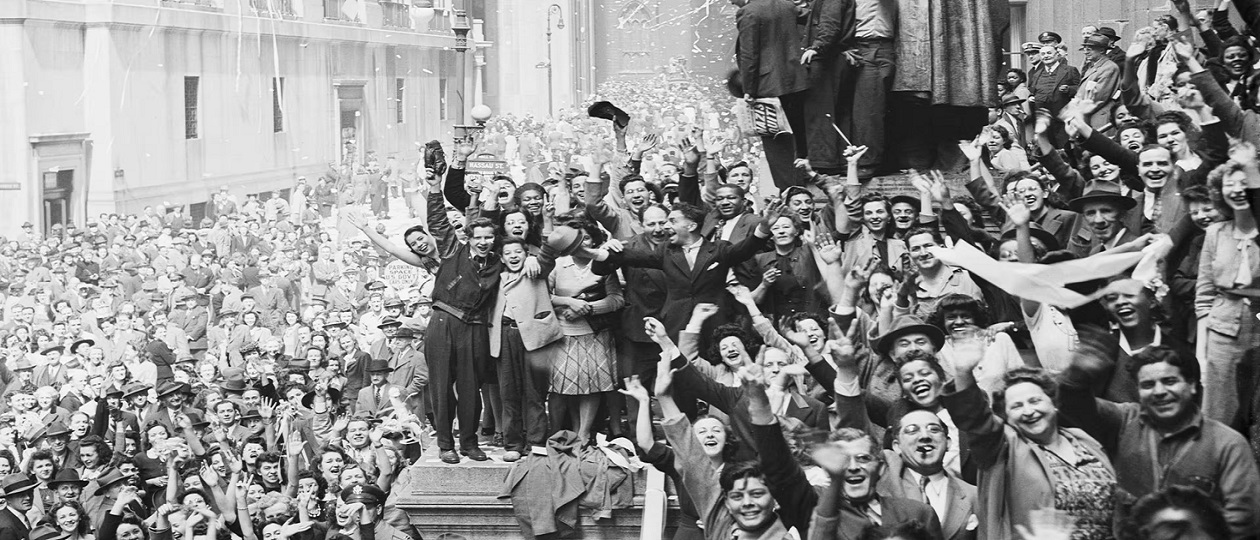
Memory, Meaning, and Modern Relevance.
Victory Day, observed on May 8 or May 9 depending on the country, marks the end of World War II in Europe and the defeat of Nazi Germany. It is one of the most significant commemorations in modern history, symbolizing not only military triumph but also the resilience of societies that endured years of devastation.
The variation in dates reflects both political realities and time zone differences at the moment of Germany’s surrender in 1945, when the act was signed late on May 8 in Berlin but already May 9 in Moscow.
In Western Europe and countries such as the United Kingdom, France, and the United States, Victory Day is commonly observed on May 8, often referred to as VE Day (Victory in Europe Day). It is typically marked with ceremonies, moments of silence, and tributes to veterans. In contrast, Russia and several former Soviet states celebrate on May 9, where the day carries a particularly profound emotional and cultural weight. For these nations, the war—known as the Great Patriotic War—resulted in immense human loss, and Victory Day is both a solemn remembrance and a large-scale national celebration.
The importance of Victory in Europe Day lies not only in its historical significance but also in its moral lessons. The defeat of Nazi Germany brought an end to a regime responsible for unprecedented atrocities, including the Holocaust.
Remembering this day serves as a reminder of the dangers of totalitarianism, racism, and unchecked power. It also highlights the value of international cooperation, as Allied forces from diverse nations came together to confront a common enemy.
Victory Day is also deeply personal. For millions of families across Europe and beyond, it represents the sacrifices of soldiers and civilians alike. Stories of courage, suffering, and survival are passed down through generations, keeping history alive in a human, relatable way. Monuments, memorials, and veteran testimonies ensure that the cost of war is not forgotten.
However, Victory Day is not only about the past—it continues to shape the present. In today’s geopolitical climate, interpretations of the war and its legacy can differ significantly between countries. In some places, the day emphasizes unity and peace; in others, it is tied closely to national identity and political narratives. This duality shows how history can be both a shared memory and a source of division.
Ultimately, Victory Day on May 8 or 9 stands as a powerful symbol of both ending and beginning: the end of one of humanity’s darkest chapters and the beginning of efforts to build a more stable international order.
It reminds us that peace is fragile and must be actively preserved. By reflecting on the sacrifices made during World War II, societies can renew their commitment to preventing such conflicts in the future.
In honoring Victory Day, we do more than remember history—we engage with its lessons, ensuring that the struggles and sacrifices of the past continue to guide us toward a more just and peaceful world.
 Robert Reich
 Vladimir Golstein