 Yuri Chekalin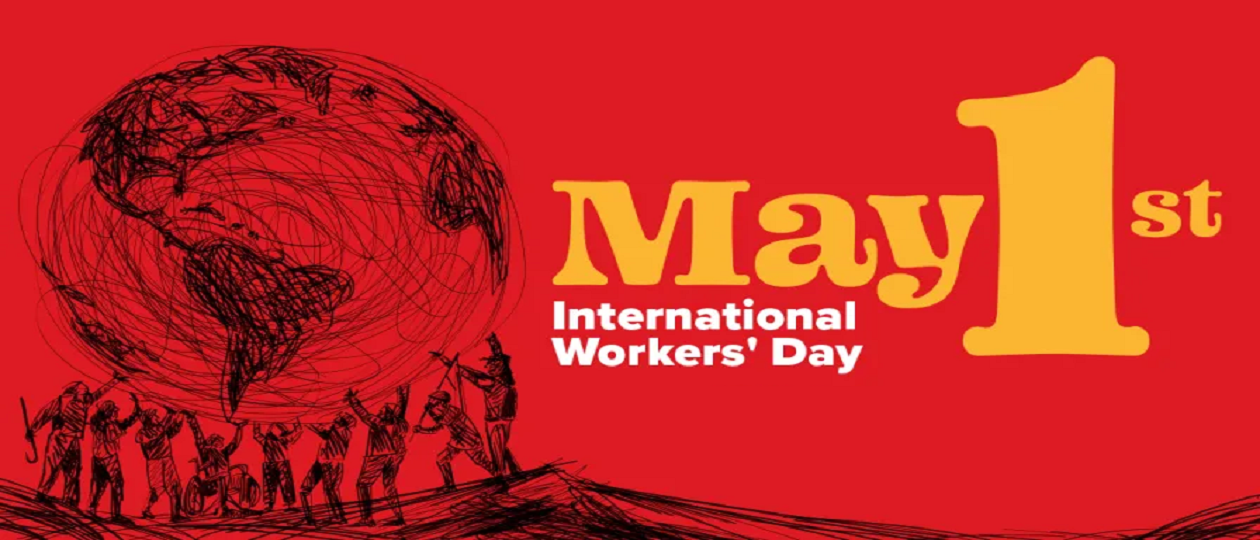
May 1st is a date that carries layered meanings across cultures, histories, and political traditions.
Known widely as International Workers’ Day, it is both a celebration of labor and a reminder of the struggles that shaped modern working conditions. At the same time, it retains older, more pastoral associations with springtime renewal, showing how a single day can bridge ancient seasonal rituals and modern social movements.
The contemporary significance of May 1st is rooted in the late 19th century, particularly in the events surrounding the Haymarket Affair in Chicago.
Workers had been campaigning for an eight-hour workday, a demand that now seems basic but was once revolutionary. The protests, and the violence that followed, turned May 1st into a symbol of resistance and solidarity. Over time, labor organizations and governments around the world adopted the date to honor workers’ contributions and advocate for fair wages, safe conditions, and dignity in labor.
Yet the meaning of May 1st predates industrialization. In many European traditions, May Day marked the arrival of spring.
Communities celebrated fertility, growth, and the return of warmth after winter. Festivities often included dancing around a maypole, singing, and communal gatherings. These customs reflected a deep connection to agricultural cycles and the rhythms of nature. Even today, echoes of these traditions remain, reminding us that human societies have long used shared rituals to mark transitions in time.
In modern contexts, May 1st takes on different forms depending on where you are. In Japan, it falls within Golden Week, a cluster of national holidays that encourages travel and leisure. In many countries, it is a day of marches, speeches, and demonstrations, where workers and activists address ongoing issues such as inequality, job security, and workers’ rights in the gig economy. These observances highlight that while much progress has been made, the concerns that fueled early labor movements have not entirely disappeared.
What makes May 1st particularly compelling is its dual nature.
It is both celebratory and reflective, both festive and political. It invites people to enjoy the arrival of spring while also considering the human effort that underpins modern society. The day encourages recognition not just of labor as economic activity, but as a fundamental part of human identity and community.
In a rapidly changing world—shaped by automation, globalization, and shifting definitions of work—May 1st remains relevant. It serves as a moment to pause and ask important questions: What does fair work look like today? How should societies balance productivity with well-being? And how can the dignity of all workers be upheld in the future?
Ultimately, May 1st endures because it speaks to something universal. Whether through celebration, protest, or quiet reflection, it reminds us that progress is built collectively—and that every generation has a role in shaping the conditions under which people live and work.
 Paul Sadchikov
 Alexander Rimov
 Kirill Benediktov