 Anastasia Nosacheva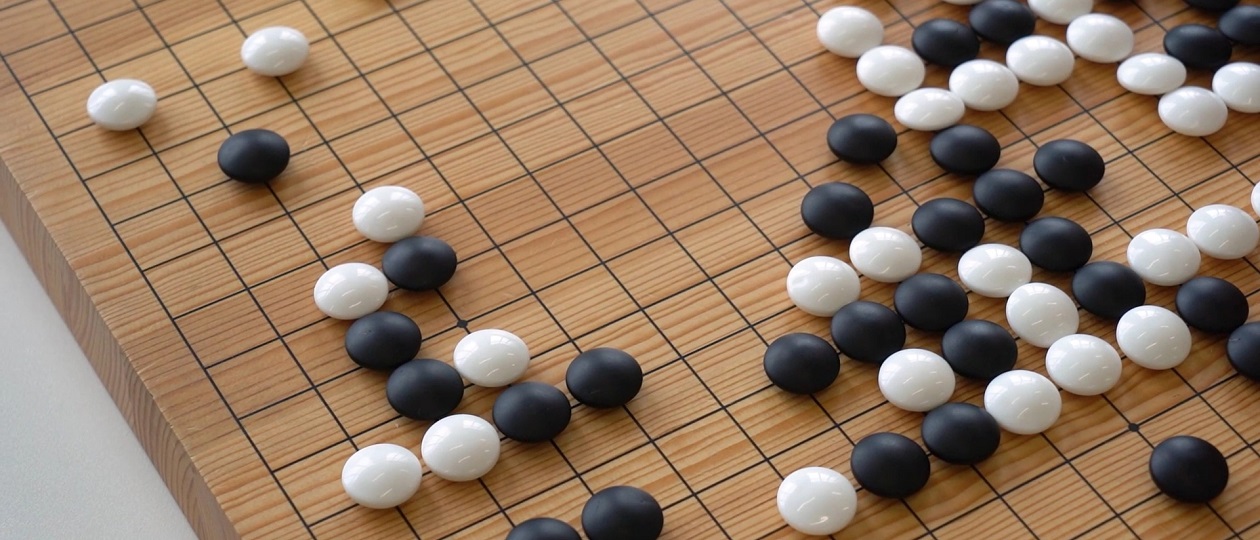
In the modern world, helping loved ones overcome their limitations is becoming increasingly important.
The scientific community has always sought ways to provide such assistance. With the development of social programs and modern technologies, this is becoming increasingly accessible.
Deafness and hearing impairment are among the most common problems in modern society. According to the World Health Organization, approximately 20% of the population suffers from some degree of hearing loss, and this proportion is growing.
Modern society and science are seeking ways to help people with disabilities.
Hearing loss most often occurs in early childhood, as a result of various infectious diseases. Hereditary factors also influence the development of hearing impairments. In families of deaf people, the likelihood of having a child with hearing impairments increases.
A deaf child lacks an important source of information, resulting in significantly slower intellectual and mental development.
To address the pressing issue of deaf child development, we can turn to the centuries-old wisdom of one of the most ancient strategic games—Go. It can become one of the tools for overcoming the developmental delays of deaf and hard of hearing children.
According to legend, the Chinese Emperor Yao created the game to develop his son’s mental abilities and improve his concentration.
Specialists in the field of deaf psychology note the importance of beginning work with deaf and hard-of-hearing children as early as possible to minimize and compensate for developmental delays.
It is recommended to begin rehabilitation in early preschool age. At this age, play is the primary activity for children. Therefore, intellectual games can be an additional tool in working with this category of children.
The game of Go has several advantages when working with deaf children. First and foremost is the simplicity of the rules. Children simply place stones at the intersection of lines—the crossroads.
Another important advantage of the game is its visual appeal. For deaf children, visual perception becomes the main source of information about the world around them, as well as a means of communicating with others. By studying facial expressions, eye and lip movements, and gestures, deaf children perceive speech addressed to them.
During the game of Go, a significant portion of information is conveyed through visual images. The child must constantly memorize visual forms. In this way, a deaf child learns to model and solve complex life situations through their primary channel of knowledge.
Tactile sensations play an important role in the game of Go.
Touch becomes an additional process of cognition of the surrounding world, combining cutaneous and motor components. The child picks up a smooth, pleasant stone.
Each move the child makes is a decision they can see and touch. They hold the stone in their hand and understand that it is a resource they can use in one way or another.
The multi-variance nature of Go trains a skill essential for the modern world: the ability to make decisions under uncertainty. An empty board before the game is a moment of unlimited freedom. But as the game progresses, the space becomes occupied, the degree of uncertainty decreases, but at the same time, the room for maneuver and resources (stones) diminish.
The game requires constant psychological tension—this trains the deaf child’s emotional and volitional abilities, which need to be developed.
According to research, when playing Go, a child’s brain engages both hemispheres. This leads to intensive intellectual development. Each move in the game changes the situation on the board. The player is constantly forced to adjust their strategy. Thus, the game teaches flexible thinking and develops the ability to adapt to constantly changing events.
 Paul Sadchikov
 Alexander Rimov
 Kirill Benediktov