 Dmitri Drobnitsky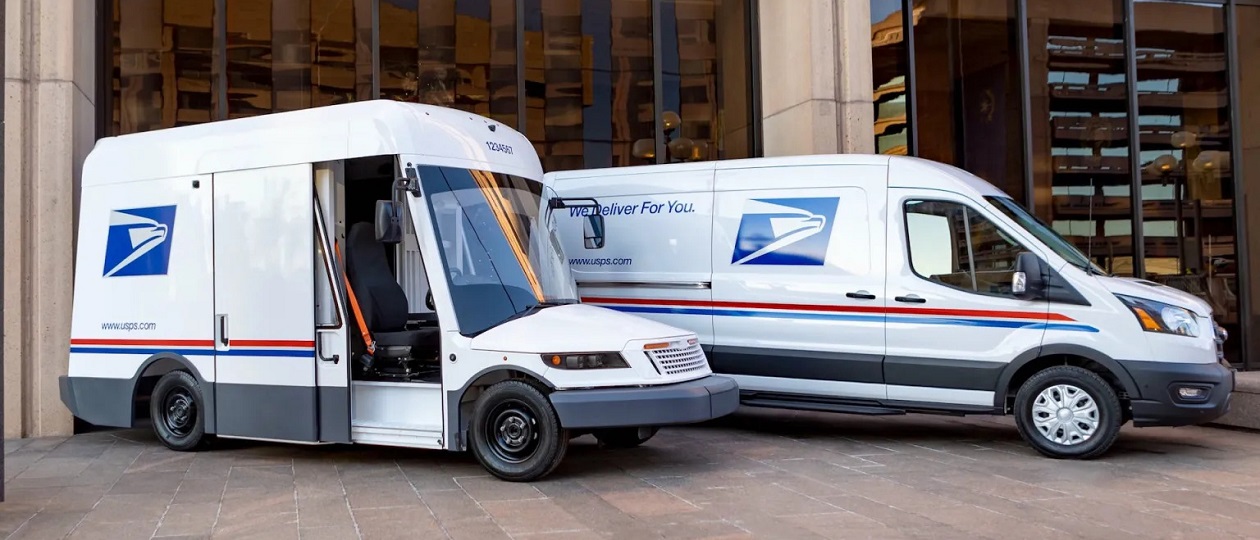
The new postal vehicles design is, to say mildly, dubious.
At the same time, the original plan to make the entire fleet of mail cars electric has been significantly adjusted A postal employee, Avis Stonum, told the Associated Press: “You can definitely tell that [the designers] didn’t bother with the look.”
The new mail cars are made by a little-known company in the automotive industry, Oshkosh Defense, from South Carolina. Their number will grow to 60,000 within three years. The old mail cars, made by Grumman, were accepted into service as far back as 1987, and many of them worked much longer than planned.
Initially, it was assumed that most of the new mail delivery vans would be electric, but the price of electric vehicles and the low availability of charging stations far from major cities forced Postmaster General Louis Dejoie to adjust the procurement plan.
The vast majority of the 60,000 vehicles will have a gasoline engine, which has already caused protests from environmentalists. The replacement of the fleet is part of a large re-equipment of the US Federal Postal Service worth $40 billion.
Despite their dubious appearance, clumsiness and low speed, the new mail vehicles have two obvious advantages: even a very tall person can work in the back without bending over and… they have air conditioning, which is important for the southern states… but also causes discontent among climate change activists.
 Vitaly Golovkov
 Yuri Chekalin
 Dmitry Litvinov