 Yuri Chekalin
Nanny robots in Japan are more than just a technological innovation; they reflect the profound social changes facing the country.
Japan has long been known for its leadership in robotics and its commitment to incorporating innovation into everyday life. With an aging population and declining birth rate, such developments are especially relevant.
One of the key drivers behind the emergence of nanny robots is the demographic crisis. Japan is experiencing a rapidly aging population, and the number of young families and children is declining. This is placing increased strain on parents and the childcare system. In response to these challenges, Japanese companies such as SoftBank Robotics have begun developing robots that can assist with childcare.
Nanny robots perform a variety of functions: they can entertain children, teach them basic skills, monitor their safety, and even assist with language learning.
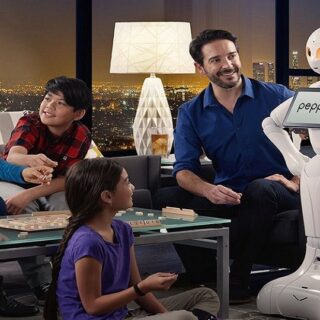
For example, the well-known Pepper robot is capable of recognizing emotions and interacting with people, making it useful in educational and nurturing settings. Such devices are often used in kindergartens and educational institutions, where they support teachers and parents.
However, the introduction of robots into the educational sphere also raises a number of ethical questions. Can a machine replace human warmth and emotional connection?
Some experts believe that excessive use of technology can impact the development of social skills in children. At the same time, proponents of innovation argue that robots do not replace parents, but merely complement them by performing routine tasks.
Furthermore, it is important to consider the cultural context. Japanese society traditionally has a high level of trust in technology and a positive attitude toward robots, partly due to popular culture, including characters like Astro Boy. This contributes to the rapid acceptance of robots in everyday life, including as childcare assistants.
Thus, babysitting robots in Japan represent an interesting intersection of technology, demographics, and culture. They not only help address current social challenges but also raise important questions about the future of human relationships in the age of automation.
 Alexander Rimov
 Vitaly Golovkov