 Yuri Chekalin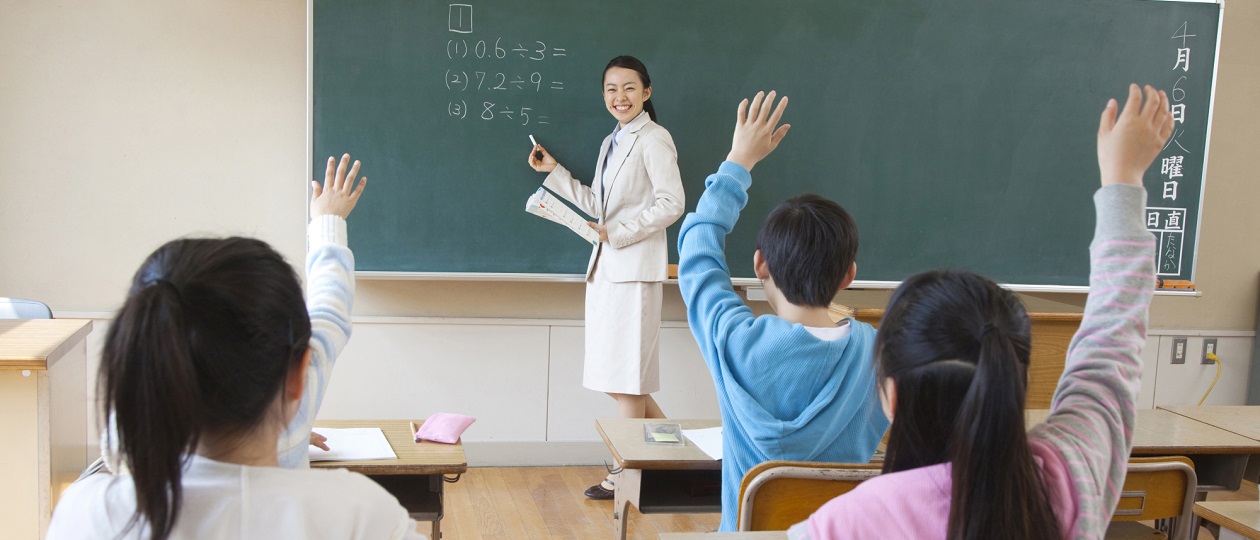
The Japanese education system is widely regarded as one of the most structured and effective in the world, known for its strong academic outcomes, disciplined environment, and emphasis on social responsibility.
Rooted in a combination of traditional values and modern reforms, it reflects Japan’s broader cultural priorities: respect, perseverance, and group harmony.
Compulsory education in Japan begins with six years of elementary school, followed by three years of lower secondary school (junior high). Nearly all students then continue to upper secondary school, even though it is not mandatory. Beyond that, many pursue higher education at universities, junior colleges, or vocational institutions. This high continuation rate reflects both societal expectations and the value placed on education as a pathway to stable employment and social mobility.
One of the defining characteristics of Japanese education is its national curriculum, which is set by the government to ensure consistency across the country. Students study core subjects such as Japanese language, mathematics, science, and social studies, along with moral education, physical education, and the arts. Moral education, in particular, plays a unique role by focusing on character development, ethics, and social behavior rather than religious instruction. This reflects the system’s broader goal of nurturing not only knowledgeable individuals but also responsible citizens.
Discipline and group-oriented behavior are central to school life. Students are often responsible for cleaning their classrooms and school facilities, a practice that instills a sense of responsibility and respect for shared spaces. School lunches are also a communal activity, with students serving meals to one another. These routines reinforce cooperation and equality, minimizing hierarchy among students.
Teachers in Japan are highly respected and play a crucial role beyond academic instruction. They often act as mentors, guiding students in both personal and social development. The relationship between teachers and students tends to be close, and educators frequently invest long hours in lesson planning, extracurricular activities, and student support.
However, the system is not without challenges. One major issue is the intense pressure associated with entrance examinations, especially for high school and university admission. This has given rise to a culture of “cram schools” (juku), where students attend additional classes after school to prepare for competitive exams. While this can enhance academic performance, it also raises concerns about stress, inequality, and the overall well-being of students.
In recent years, Japan has introduced reforms aimed at fostering creativity, critical thinking, and global awareness. These include reducing rote memorization, promoting interactive learning, and increasing English language education. There is also a growing recognition of the need to support diverse learners and adapt to a rapidly changing global society.
In conclusion, the Japanese education system is a carefully balanced model that combines academic rigor with moral and social development. Its strengths lie in its structure, discipline, and cultural coherence, while its challenges highlight the need for continued adaptation. As Japan navigates the demands of the 21st century, its education system remains a key pillar in shaping both individuals and society as a whole.
 Dmitri Drobnitsky
 Kamil Askerkhanov
 Sergey Stankevich